Since it is October, the month of all things spooky, let’s talk about horror films.
I’ve never written a column about horror movies before, but the subject has been a passion of mine for a long time.
Heck when I was in seminary completing my M.Div. I found a way to write about horror by contrasting western horror film themes with Japanese horror films and pointing to Judeo-Christian theology as the key differentiator. Fun times.
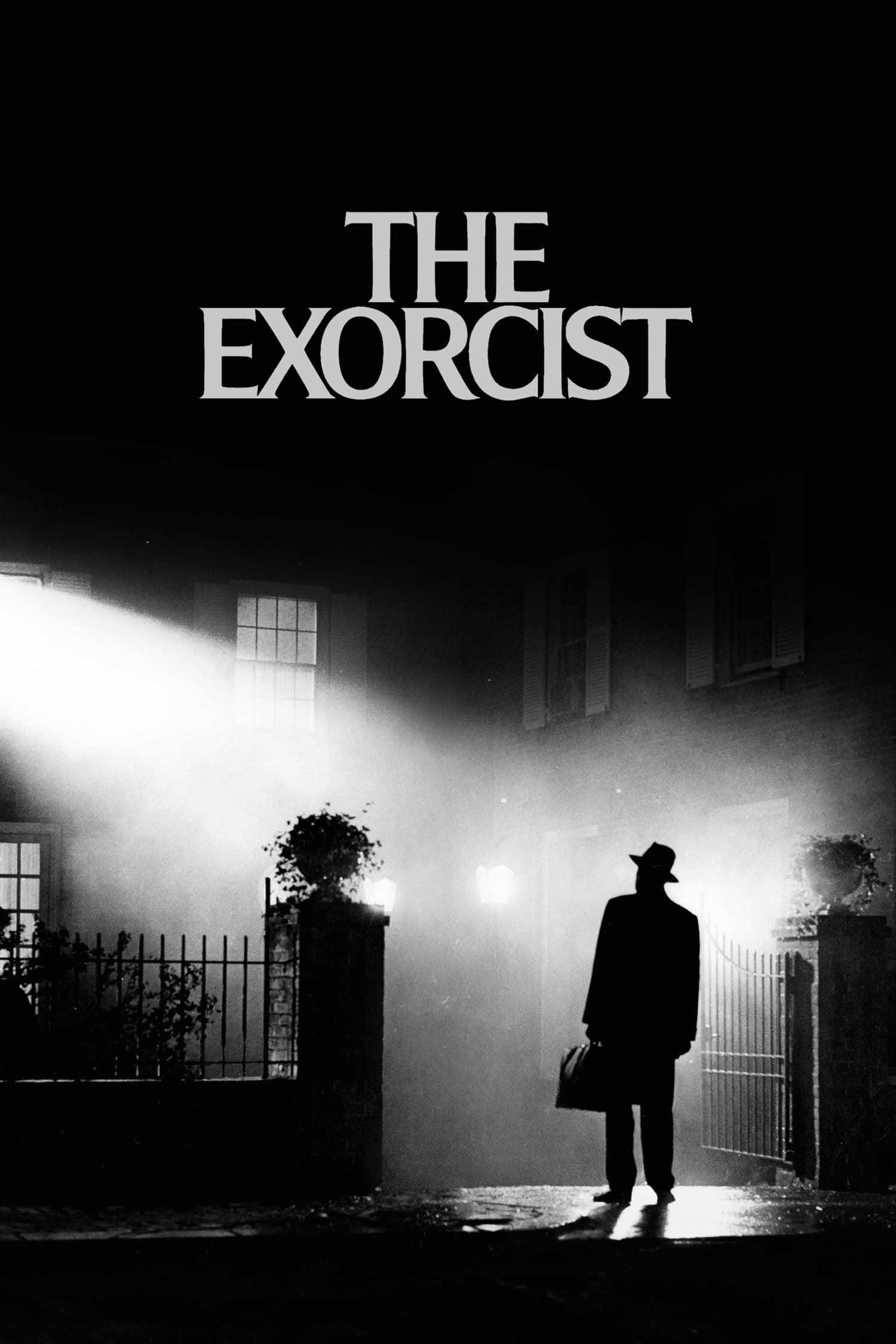
Why write about horror now? I think what triggered it was learning that there is a remake/reboot/reinterpretation/homage/reimagining (???) being made of what is in my opinion the greatest horror film of all time, The Exorcist, this time by director Mike Flanagan.
Now if anyone was going to try and reimagine The Exorcist Mike Flanagan is your guy. His track record of previous films includes Doctor Sleep, The Haunting of Hill House, and The Fall of the House of Usher (fantastic) to name a few.
But I mean this is an entirely different level. It would be like someone trying to reinterpret Clint Eastwood’s Unforgiven (the greatest western of all time) but much harder.
There are a few things to note about the original Exorcist film that make it difficult, if not impossible to reinterpret.
The author of the novel it was based on, William Peter Blatty, was intimately involved in the original film even acting as screen writer (for which he won an Academy Award). This is important because his novel was brilliantly written, and he does not get nearly enough credit for his artistry likely because of the genre.
Everything about the original film are mountaintops to be overcome like the unforgettable music (thanks to Mike Oldfield’s Tubular Bells for a spine chilling and unique sound that still evokes fear in the listener), to the cinematography, to William Friedkin’s direction, to the phenomenal casting and acting.
I mean this film cast the first Catholic priest to play a Catholic priest in a commercial movie – the unforgettable Jesuit Fr. William O’Malley as Fr. Joseph Dyer. O’Malley, a university professor and award-winning author of 37 books of theology was also an advisor to the film.
Of course, there is the matter that one does not speak about even today…the film is VERY blasphemous. I’m sure there are many readers today who recall when the film was originally released in 1973 and the boycotts around the world.
The evangelist Billy Graham notably said, “the devil is in every frame of this film” and led a boycott against it.
It didn’t help that the author, a devout Catholic, stated numerous times he was attempting to present as realistic a depiction of evil as possible (he succeeded) but not a celebration of it. After all, how do you water down a depiction of demonic possession?
To this day I have never seen a film that pushes the envelope of horror as far as The Exorcist did more than 50 years ago. The dialogue given to the character of a possessed 12-year-old girl would still not be tolerated today but somehow made it to screen all those years ago.
For these reasons and others this new version will likely not live up to the original. Western audiences are less spiritual now for one thing. Faith in the broader world is not what it used to be, and faith or belief was a big part of the fuel that drove the original film’s terror.
Horror no longer has the power it once did. Today’s horror movies are about human evil, not spiritual, and this reflects the fears of the audience.
I suspect this new version of The Exorcist will fall flat on modern horror enthusiasts who are more interested in slashers, thrillers, and environmental horror than anything supernatural. We will see.
P.S. If I were casting a new film as a remake rather than a reinterpretation, I think Ian McKellan would be excellent as Fr. Lankester Merrin originally played by the incomparable actor Max von Sydow.
 Harnessing Chaos